

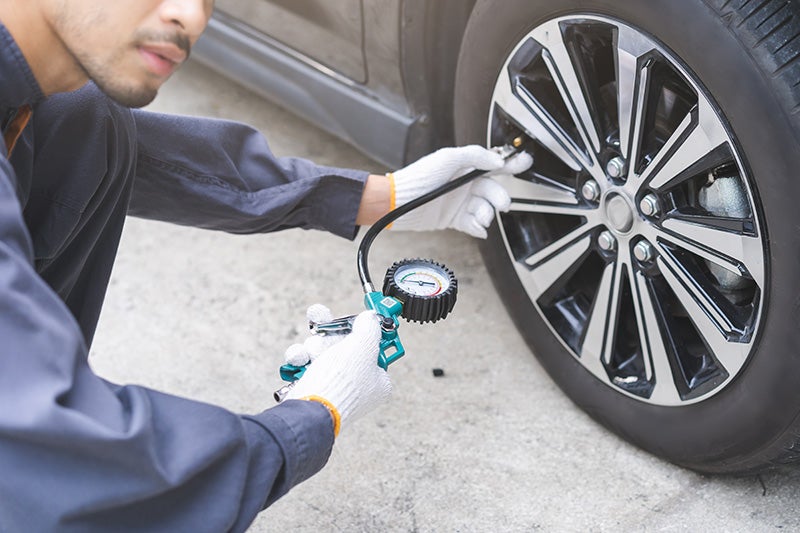
The cold is settling in here in Annapolis, Maryland, and with it comes the flickering on of your Kia’s TPMS light. Cold weather and tire pressure go hand in hand, which every Maryland driver may know already. But understanding why can save you time, money, and frustration. When temperatures drop, the air inside your tires contracts. Tire pressure decreases by about 1lb. per sq. in. for every 10°F drop in temperature. That means a tire that was properly inflated on a warm afternoon could register as underinflated by the next cold morning—and underinflated tires are risky in more ways than one. What the Kia TPMS Light Is Telling You Your Kia is equipped with a tire pressure monitoring system, or TPMS, that alerts you when one or more tires fall below the recommended pressure. When cold weather causes that pressure drop, the Kia TPMS light often illuminates, even if there's no puncture or damage to the tire itself. That warning light is a helpful alert, but it's important to respond to it rather than ignore it. Driving on underinflated tires can affect handling, reduce fuel efficiency, and cause uneven tread wear over time. How to Check and Correct Your Kia Tire Pressure in Cold Weather Managing your Kia’s tire pressure in cold weather starts with knowing your vehicle's recommended inflation level. You can find this information on the sticker inside your driver's side door jamb or in your owner's manual. It’s not the maximum pressure listed on the tire sidewall. Check your tire pressure when the tires are cold—meaning the vehicle has been parked for at least 3 hours or driven fewer than a mile. If you drive a newer Kia, you may even have an individual tire pressure display on the instrument cluster or driver information display, which is endlessly convenient. Otherwise, use a quality gauge and add air as needed. If the Kia TPMS light turns off after inflating your tires, the system has confirmed pressure is back within range. Be sure not to overinflate which comes with its own set of problems. Tips for Keeping Tire Pressure Stable All Winter Staying on top of Kia tire pressure during cold weather doesn't have to be a hassle. Checking your tires once a month during winter is a smart habit, but if you have that display screen, it’s almost fun to check more. If temperatures fluctuate significantly—and you can bet they will in Maryland—check more frequently. Parking in a garage when possible can help minimize overnight pressure drops. Also, be aware that pressure can rise slightly once you've been driving for a few miles, as friction warms the tires. This is normal and expected, so don't bleed air after a cold-weather fill unless the pressure significantly exceeds the recommended level. When to Visit a Kia Service Center If your Kia TPMS light stays on after you've inflated your tires to the correct pressure, or if it comes back on repeatedly, it may indicate a slow leak, a faulty sensor, or another issue that needs professional attention. Cold weather can also make it harder to detect a small puncture, since the tire may not appear visibly flat. Kia's industry-leading warranty reflects the brand's commitment to quality, and that same standard applies to service support. Bringing your vehicle in for a tire inspection ensures any underlying issues are addressed before they become bigger problems. Keep Your Kia Rolling Safely This Winter Cold weather and Kia tire pressure changes are a normal part of driving through Maryland winters, but staying proactive makes all the difference. Checking your pressure regularly, understanding what your Kia TPMS light means, and acting quickly when it appears will help keep you safe on the road. The team at Fitzgerald Kia of Annapolis is here to help drivers in Annapolis, MD, stay confident behind the wheel all season long. Visit Fitzgerald Kia of Annapolis to schedule a service appointment or learn more about keeping your Kia in top shape this winter.
 Warranties include 10-year/100,000-mile powertrain and 5-year/60,000-mile basic. All warranties and roadside assistance are limited. See retailer for warranty details.